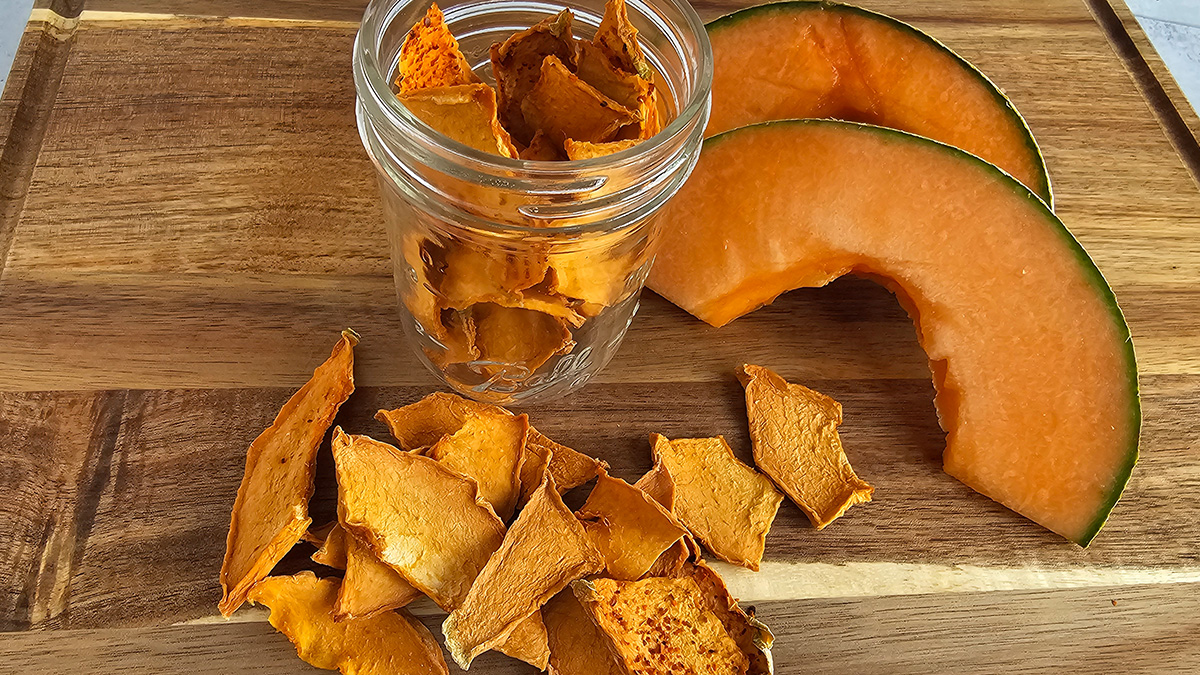
Unlock Year-Round Flavor: The Compelling Reasons to Dehydrate Cantaloupe
Cantaloupes are the quintessential taste of summer – juicy, sweet, and incredibly refreshing. But what happens when your garden yields an abundance, or you find a fantastic deal at the farmer's market? Fresh cantaloupe, while delightful, has a notoriously short shelf life, often spoiling within a week. This is where the ancient, yet incredibly effective, art of food preservation steps in. Learning how to dehydrate cantaloupe isn't just a kitchen hack; it's a smart strategy to enjoy this beloved melon's flavor and nutritional benefits far beyond its season.
Dehydration transforms ripe cantaloupe into a chewy, intensely flavored snack that's perfect for everything from trail mix to a healthy everyday treat. By gently removing moisture, you prevent spoilage, concentrate natural sugars, and preserve vital nutrients, making it a superior alternative to highly processed snacks. It's a simple, eco-friendly solution to food waste, offering a delicious and convenient way to savor summer's bounty all year long.
The Science of Sweet Preservation: How Dehydration Works
At its core, food dehydration is a brilliant act of scientific preservation. When you remove the water content from fruits like cantaloupe, you fundamentally alter their environment, making it inhospitable for the culprits of spoilage: bacteria, mold, and yeast. These microorganisms, much like all living things, require water to thrive and reproduce. Without it, their growth is inhibited, halting the decay process and significantly extending the food's viability.
The process typically involves exposing the fruit to low, consistent heat over an extended period. This gentle heat causes the water molecules within the fruit to vaporize and escape, gradually reducing the overall moisture content. Unlike high-heat cooking methods that can degrade delicate flavors and nutrients, the controlled temperature of dehydration is key to preserving the cantaloupe's natural sweetness, vibrant color, and valuable nutritional profile. As water evaporates, the remaining sugars and flavors become more concentrated, resulting in a remarkably intense and satisfying taste experience that often surpasses that of its fresh counterpart.
Furthermore, this gentle process helps to retain a significant portion of the fruit's vitamins and minerals. Many water-soluble and heat-sensitive nutrients, such as Vitamin C, can be easily lost during conventional cooking. Dehydration's low-temperature approach minimizes this loss, ensuring that your dried cantaloupe remains a nutritious powerhouse. It's a testament to the fact that sometimes, the simplest methods yield the most profound results in food preservation.
Beyond Fresh: Compelling Benefits of Dehydrated Cantaloupe
The advantages of choosing to dehydrate cantaloupe extend far beyond merely making your fruit last longer. It’s a choice that impacts your health, your wallet, and even your carbon footprint. Here are some of the key benefits:
1. Remarkable Shelf Life & Reduced Food Waste
Fresh cantaloupe is a race against time, often good for only a few days after being cut. Dehydrated cantaloupe, on the other hand, boasts an impressive shelf life of several months, sometimes even up to a year, when stored properly in an airtight container in a cool, dark place. This extended longevity means you can buy in bulk when prices are low or preserve your harvest, effectively stopping food waste before it starts. No more throwing out perfectly good fruit that went bad too quickly!
2. Concentrated Nutrients, Powerful Snacking
While the water is removed, the essential vitamins, minerals, and dietary fiber remain, often in a more concentrated form. This makes dehydrated cantaloupe an incredibly dense source of nutrition. It’s naturally sweet, satisfying cravings without the need for added sugars or artificial ingredients found in many commercial snacks. Rich in vitamins A and C, and a good source of potassium, these chewy bites offer a healthier alternative to candies or cookies, providing sustained energy without the sugar crash.
3. Unparalleled Convenience & Portability
Imagine enjoying the taste of summer cantaloupe on a winter hike, a long road trip, or during a busy workday. Dehydrated cantaloupe is lightweight, non-perishable, and perfectly portionable. It doesn't require refrigeration, won't get bruised in your bag, and is mess-free. This makes it an ideal snack for:
- On-the-go fuel: Backpacking, camping, hiking, or cycling.
- School & work lunches: A healthy, natural treat for kids and adults alike.
- Emergency preparedness kits: A delicious and nutrient-dense addition to any survival pantry.
- Travel: Avoid unhealthy airport or roadside snacks.
4. Versatility in the Kitchen
Beyond simple snacking, dried cantaloupe opens up a world of culinary possibilities. Its intense flavor and chewy texture make it a versatile ingredient:
- Granola & Cereal: Chop and add to your morning oats or homemade granola mix.
- Baked Goods: Incorporate into muffins, breads, or cookies for a unique fruity twist.
- Smoothies: Rehydrate briefly or blend directly for a concentrated flavor boost.
- Salads: A surprising addition to savory salads, offering a touch of sweetness and chew.
- Infused Water: Drop a few pieces into water for a naturally flavored drink.
- Trail Mix: A classic, pairing perfectly with nuts, seeds, and other dried fruits.
Ready to Get Started? Tips for Successful Dehydration
If you're now convinced that how to dehydrate cantaloupe is a skill worth mastering, here are a few introductory tips to ensure your success. The journey begins with selecting the right fruit:
- Choose Wisely: Opt for ripe, fragrant cantaloupes that are firm to the touch but not mushy. Avoid any with soft spots or mold.
- Clean & Prep: Always wash your melon thoroughly. Cut it in half, scoop out the seeds and fibrous strands, then peel the skin.
- Slice Uniformly: Consistency is key for even drying. Aim for slices that are about 1/4 to 1/2 inch thick. Thinner slices dry faster, while thicker ones will yield a chewier texture.
- Patience is a Virtue: Dehydration takes time, often several hours, depending on your method and desired texture. Resist the urge to rush the process by increasing the heat too much, as this can cook rather than dry the fruit.
For detailed, step-by-step instructions on the various methods, from using a dedicated food dehydrator to an oven, be sure to check out our comprehensive guide: How to Dehydrate Cantaloupe: Enjoy Sweet Snacks Year-Round. It covers everything you need to know to achieve perfectly dried cantaloupe every time.
Conclusion
Dehydrating cantaloupe is much more than a method of preservation; it's an intelligent way to maximize your resources, enhance your nutritional intake, and ensure that the delightful taste of summer is always within reach. From extending shelf life and reducing waste to providing a remarkably portable and healthy snack, the benefits are clear and compelling. So, the next time you find yourself with an abundance of this golden melon, don't let it go to waste. Embrace the simple, rewarding process of dehydration and unlock a world of flavor and convenience for months to come.
