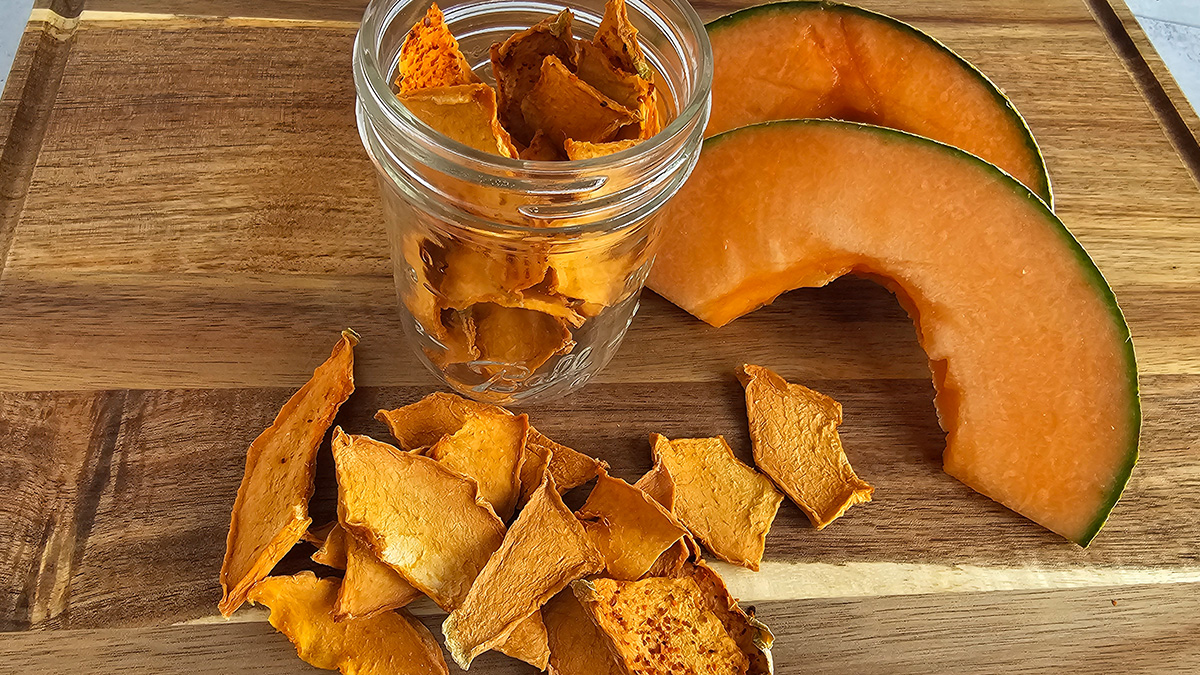
How to Dehydrate Cantaloupe: Enjoy Sweet Snacks Year-Round
Cantaloupes, with their vibrant orange flesh and distinctly sweet aroma, are a quintessential taste of summer. However, their short fresh shelf life often means enjoying them for a fleeting season or facing food waste when you have an abundance. What if you could capture that sunny sweetness and enjoy it long after summer fades? The answer lies in dehydration, a simple yet effective method that transforms fresh cantaloupe into a convenient, nutrient-dense snack that lasts for months. If you've ever wondered
how to dehydrate cantaloupe at home, you're in the right place. This comprehensive guide will walk you through everything you need to know, from understanding the science of preservation to expert tips for perfect results.
Understanding the Science Behind Dehydration
Food dehydration is an ancient preservation technique rooted in simple yet powerful science. At its core, dehydration involves the careful removal of moisture from food items, creating an environment where spoilage microorganisms like bacteria, mold, and yeast cannot thrive. These unwelcome guests require water to grow and multiply, so by reducing the water content to a minimal level (typically below 15-20% for most fruits), you effectively halt their activity and prevent spoilage.
The process usually employs low, controlled heat over an extended period. This gentle heat causes the water molecules within the fruit to vaporize and escape, a process often referred to as evaporation. As the moisture content decreases, not only is spoilage inhibited, but the fruit's natural sugars, flavors, and often its nutrients become concentrated. This intensification of taste is particularly noticeable in sweet fruits like cantaloupe, resulting in a more profound and enjoyable flavor profile than the fresh fruit. The low temperatures used are crucial; unlike high-heat cooking, dehydration aims to preserve the delicate balance of vitamins, minerals, and colors, rather than breaking them down. This scientific understanding ensures that your dehydrated cantaloupe remains a healthy and flavorful treat.
Why Dehydrated Cantaloupe is a Must-Have Snack
Beyond simply extending its shelf life, dehydrating cantaloupe offers a multitude of compelling benefits that make it an invaluable addition to your pantry.
*
Exceptional Shelf Life: Unlike fresh cantaloupe, which typically spoils within a week or two, properly dehydrated cantaloupe can be stored for several months, sometimes even up to a year, when kept in airtight containers in a cool, dark place. This means you can enjoy that taste of summer even in the dead of winter.
*
Healthy & Naturally Sweet: Dehydrated cantaloupe is a fantastic alternative to highly processed, sugar-laden snacks. It retains its natural sweetness, making it a satisfying treat without added sugars, artificial flavors, or preservatives. It's an excellent choice for curbing sweet cravings in a wholesome way. As we discuss in our article
Why Dehydrate Cantaloupe? Extend Shelf Life & Boost Nutrients, you're locking in its inherent goodness.
*
Portable & Convenient: Once dried, cantaloupe slices become lightweight and compact, making them the ultimate on-the-go snack. They're perfect for hiking trails, camping trips, school lunchboxes, desk snacks, or as a quick energy boost during travel. Forget messy, perishable fresh fruit – dehydrated cantaloupe is hassle-free.
*
Reduces Food Waste: Dehydrating is an excellent solution when you find yourself with an abundance of ripe cantaloupe, perhaps from a garden harvest or a great sale. Instead of letting excess fruit go bad, you can preserve it efficiently, contributing to a more sustainable household and saving money. To learn more about this benefit, check out our guide on
Stop Food Waste: Dehydrate Cantaloupe for Delicious, Healthy Snacks.
*
Versatile Ingredient: While delicious on its own, dehydrated cantaloupe can also be added to trail mixes, granola, oatmeal, yogurt, or even chopped and incorporated into baked goods for a concentrated burst of fruit flavor.
Your Step-by-Step Guide to Dehydrating Cantaloupe at Home
Mastering
how to dehydrate cantaloupe is a straightforward process that yields delicious results. Follow these steps for successful preservation.
1. Selecting the Perfect Cantaloupe
The quality of your dried fruit starts with the fresh fruit itself. Choose a cantaloupe that is ripe but firm. Look for a pronounced, sweet aroma at the stem end, a dull skin (shiny skin indicates immaturity), and a slight give when gentle pressure is applied to the blossom end. Avoid any melons with soft spots, mold, or an overly strong, fermented smell.
2. Preparing Your Cantaloupe for Dehydration
Preparation is key to uniform drying and a pleasant final product.
*
Wash Thoroughly: Rinse the cantaloupe under cool running water and scrub the rind with a clean produce brush to remove any dirt or bacteria.
*
Cut and Deseed: Using a sharp, sturdy knife, carefully slice the cantaloupe in half. Scoop out all the seeds and fibrous strands from the center using a spoon. You can discard these or save the seeds for planting if desired.
*
Remove the Rind: Place each cantaloupe half cut-side down on your cutting board. Carefully slice off the rind, working your way around the melon. Ensure all green or white rind is removed, leaving only the orange flesh.
*
Slice Evenly: Cut the cantaloupe flesh into uniform slices or cubes, ideally about ¼ inch thick. Consistency in thickness is crucial for even drying; thinner pieces will dry faster, while thicker ones will take longer and may not dry completely. Aim for pieces that are easy to handle and arrange on your drying trays.
3. Choosing Your Dehydration Method
You have a couple of primary options for dehydrating cantaloupe.
*
Using a Food Dehydrator (Recommended):
*
Arrangement: Lay the prepared cantaloupe pieces in a single layer on your dehydrator trays, ensuring they don't touch or overlap. Good air circulation is vital.
*
Temperature: Set your dehydrator to 135°F (57°C). This temperature is ideal for fruits, allowing for efficient moisture removal without "cooking" the fruit and preserving nutrients.
*
Drying Time: Drying time can vary significantly based on your dehydrator model, humidity, and the thickness of your cantaloupe slices. Expect anywhere from 6 to 12 hours, potentially longer. Check the fruit periodically, rotating trays if your dehydrator doesn't have even heat distribution.
*
Using an Oven:
*
Preparation: Arrange the cantaloupe slices on baking sheets lined with parchment paper or silicone mats. Avoid overlapping.
*
Temperature: Set your oven to its lowest possible temperature, typically around 150-175°F (65-80°C). Higher temperatures risk baking the fruit rather than dehydrating it.
*
Air Circulation: Prop the oven door slightly ajar using a wooden spoon or heat-proof object. This allows moisture to escape and prevents the fruit from steaming.
*
Drying Time: Oven drying usually takes much longer than a dehydrator, often 8 to 18 hours or more, and requires more vigilant monitoring. Flip the fruit every few hours to promote even drying.
4. Knowing When Your Cantaloupe is Done
Proper dryness is essential for long-term storage and preventing spoilage.
*
Texture Test: Dehydrated cantaloupe should be leathery, pliable, and chewy, but not brittle. When you bend a piece, it should crack slightly but not snap, and no visible moisture should be squeezed out.
*
No Stickiness: The surface should feel dry to the touch, without any stickiness.
*
Cooling Test: Take a few pieces, allow them to cool completely to room temperature, and then perform the bend test. Warm fruit can feel drier than it actually is.
5. Conditioning and Storage
Once your cantaloupe is thoroughly dried, these final steps ensure optimal quality and shelf life.
*
Conditioning: This is a crucial step to equalize any residual moisture. Place the cooled, dried cantaloupe in airtight glass jars, filling them about two-thirds full. Seal the jars and shake them daily for 7-10 days. If you see any condensation inside the jar, it means the fruit isn't dry enough and needs further dehydration. If mold appears, discard the batch.
*
Storage: After conditioning, store the dehydrated cantaloupe in airtight containers (glass jars, vacuum-sealed bags, or freezer bags) in a cool, dark, and dry place, such as a pantry or cupboard. For even longer storage, you can keep them in the refrigerator or freezer.
Expert Tips for Dehydrating Cantaloupe Success
Achieving perfectly dried cantaloupe consistently comes with a few insider tricks:
*
Uniformity is Non-Negotiable: As mentioned, strive for consistently thick slices. This is the single biggest factor in achieving an even dry throughout your batch.
*
Don't Overcrowd: Resist the urge to pack your dehydrator trays or baking sheets. Ample space between pieces allows for proper air circulation, which is vital for efficient drying.
*
Patience is a Virtue: Dehydration is not a fast process. Rushing it by increasing heat too much will cook the fruit rather than dry it, potentially degrading its quality and nutritional value.
*
Experiment with Thickness: While ¼ inch is a good starting point, you might prefer slightly thinner (crispier) or thicker (chewier) pieces. Adjust thickness and drying time to find your personal preference.
*
Flavor Enhancements (Optional): For an extra kick, you can sprinkle a tiny amount of cinnamon, ginger, or even a pinch of chili powder on your cantaloupe slices before dehydrating.
*
Rehydration: If you wish to use your dried cantaloupe in recipes that call for fresh fruit (like smoothies or baked goods), you can rehydrate it by soaking it in warm water for 15-30 minutes until plump.
Conclusion
Learning
how to dehydrate cantaloupe is a rewarding skill that extends the enjoyment of this delightful fruit far beyond its natural season. By understanding the simple science behind moisture removal and following straightforward steps, you can transform abundant summer cantaloupe into a healthy, convenient, and incredibly delicious snack that lasts all year long. Embrace this sustainable practice, reduce food waste, and savor the concentrated sweetness of dehydrated cantaloupe whenever a craving strikes. Get ready to enjoy sweet, sunny snacks no matter the weather!