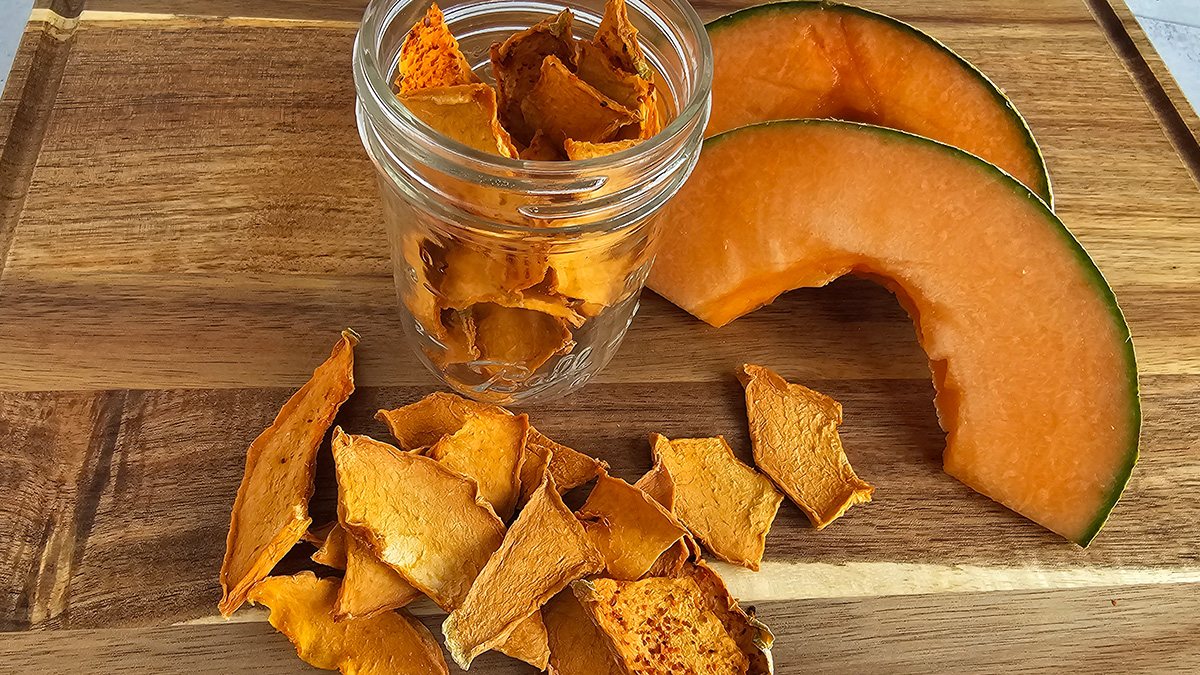
Summer brings an abundance of juicy, sweet cantaloupes, a quintessential taste of the warmer months. Yet, with their relatively short shelf life, many of us face the dilemma of enjoying them quickly before they spoil, or worse, watching perfectly good fruit go to waste. If you've ever found yourself with more cantaloupe than you can eat, or simply crave that sun-kissed sweetness in the dead of winter, there's a deliciously simple solution: dehydration. Learning how to dehydrate cantaloupe transforms this perishable fruit into a long-lasting, concentrated burst of flavor and nutrition, making it an ideal healthy snack and a fantastic way to combat food waste.
The Science Behind Dehydration: Why It Works So Well
Food dehydration is an ancient and incredibly effective method of preservation, rooted in simple science. The primary goal is to remove moisture, and the reason this works so well for fruits like cantaloupe lies in creating an inhospitable environment for spoilage organisms. Bacteria, mold, and yeast all require water to thrive and multiply. By carefully reducing the water content, typically to 10-20% or less, you effectively halt their growth, preventing the fruit from spoiling.
The process itself involves exposing the fruit to consistent, low heat over an extended period. This gentle warmth causes the water molecules within the cantaloupe to evaporate, or vaporize, and escape. As the moisture content diminishes, not only does it inhibit microbial activity, but it also concentrates the fruit's natural sugars, acids, and flavors. This results in a more intense, sweet, and often chewier product than its fresh counterpart. Furthermore, unlike high-heat cooking methods that can degrade sensitive nutrients, dehydration's gentle approach helps to preserve many of the beneficial vitamins, minerals, and antioxidants present in the fresh fruit.
Unlocking the Benefits of Dehydrated Cantaloupe
Beyond simply preserving fruit, dehydrating cantaloupe offers a multitude of advantages that make it a smart choice for any health-conscious individual or eco-friendly household. If you're wondering Why Dehydrate Cantaloupe? Extend Shelf Life & Boost Nutrients, here are some compelling reasons:
- Remarkable Shelf Life: Fresh cantaloupes typically last about a week, even refrigerated. Dehydrated cantaloupe, when stored correctly, can last anywhere from 6 to 12 months, or even longer, allowing you to enjoy summer's bounty year-round.
- Portable and Convenient Snacking: Lightweight and compact, dried cantaloupe is the ultimate on-the-go snack. It's perfect for hiking, camping, road trips, school lunches, or a quick energy boost at work. No more worrying about bruised fruit or sticky messes!
- Nutrient Retention: While some heat-sensitive vitamins (like Vitamin C) can be partially reduced, the gentle heat of dehydration helps retain a significant portion of the original fruit's nutritional value, including Vitamin A, potassium, and dietary fiber. It’s a far superior option to many processed snacks.
- Naturally Sweet and Satisfying: The dehydration process intensifies cantaloupe's natural sweetness, making it a delicious and guilt-free alternative to sugary candies or chocolate. It satisfies sweet cravings without the added sugars and artificial ingredients.
- Significant Food Waste Reduction: Perhaps one of the most impactful benefits is its role in reducing household food waste. Instead of discarding surplus or slightly overripe cantaloupe, you can easily preserve it, saving money and contributing to a more sustainable lifestyle.
Your Step-by-Step Guide: How to Dehydrate Cantaloupe at Home
Dehydrating cantaloupe is a straightforward process that anyone can master. Follow these steps to create your own stash of delicious, dried melon.
1. Selecting the Perfect Cantaloupe
The quality of your dehydrated snack starts with the quality of your fresh fruit. Choose a cantaloupe that is:
- Ripe but Firm: It should have a sweet, distinctive aroma and a slightly soft spot at the stem end, but the overall rind should be firm, without significant soft spots or bruises.
- Clean: Free from mold or excessive blemishes.
2. Preparation is Key
Proper preparation ensures even drying and a safe, delicious end product.
- Wash Thoroughly: Even if you plan to remove the rind, thoroughly wash the exterior of the cantaloupe under running water. Use a vegetable brush to scrub the rough rind, as bacteria from the surface can transfer to the flesh when cut.
- Cut in Half and Deseed: Using a sharp, sturdy knife, carefully cut the cantaloupe in half. Scoop out the seeds and fibrous strands with a spoon.
- Remove the Rind: Place each half cut-side down on a cutting board. Carefully slice off the rind, following the natural curve of the fruit. Alternatively, you can slice the cantaloupe into wedges first, then cut the rind off each wedge.
- Slice Uniformly: This is crucial for even drying. Slice the cantaloupe into pieces approximately 1/4 to 1/2 inch thick. Thinner slices will dry faster and be crispier; thicker slices will take longer and be chewier. You can cut them into strips, rings, or small cubes, but strips or rings tend to dry most efficiently.
Unlike some fruits, cantaloupe generally doesn't require any pre-treatment (like blanching or an acid bath) before dehydration, as its natural sugars are sufficient for preservation and flavor.
3. Dehydrating Methods
You have a couple of options for drying your cantaloupe:
Using a Food Dehydrator (Recommended)
A dedicated food dehydrator offers the most consistent and efficient results.
- Arrange on Trays: Place the prepared cantaloupe slices in a single layer on your dehydrator trays, ensuring no pieces are overlapping. Good air circulation around each piece is essential.
- Set Temperature: Set your dehydrator to 125°F (52°C) - 135°F (57°C). This low, steady heat gently removes moisture without cooking the fruit.
- Dehydrate: The drying time will vary significantly based on your dehydrator model, slice thickness, and ambient humidity, but typically ranges from 6 to 12 hours. Check the fruit periodically.
- Rotate Trays: For optimal, even drying, rotate your dehydrator trays every few hours.
Oven Dehydration (Alternative)
If you don't have a dehydrator, your oven can serve as an alternative, though it's less efficient and requires more attention.
- Prepare Trays: Line baking sheets with parchment paper or silicone mats. Arrange the cantaloupe slices in a single layer, ensuring they don't touch.
- Set Oven Temperature: Set your oven to its lowest possible temperature, usually around 150°F (65°C) to 200°F (93°C).
- Ventilate: Prop the oven door open slightly (with a wooden spoon or heat-safe object) by about 2-4 inches to allow moisture to escape and air to circulate. This is crucial to prevent the fruit from baking instead of drying.
- Dehydrate: Oven drying takes considerably longer than a dehydrator, often 8-16 hours or more. You will need to check the fruit frequently, turning the slices and rotating the baking sheets every 1-2 hours to ensure even drying.
4. Knowing When It's Done
Your dehydrated cantaloupe is ready when it is:
- Leathery and Pliable: It should be flexible and bend easily, but not brittle.
- No Stickiness: It should not feel sticky or moist to the touch.
- No Visible Moisture: When you tear a piece in half, you should not see any visible moisture inside.
Once dried, allow the cantaloupe pieces to cool completely on the trays before moving them to storage.
Storage and Creative Uses for Your Dehydrated Cantaloupe
You've successfully preserved your cantaloupe! Now, let's ensure it stays fresh and explore the many ways to enjoy it.
Proper Storage for Maximum Shelf Life
Correct storage is vital to prevent rehydration and spoilage:
- Conditioning: After drying, place the cooled cantaloupe pieces loosely in an airtight container (like a glass jar). Seal it and let it sit for 4-7 days, shaking the container daily. This "conditions" the fruit by redistributing any residual moisture, revealing if any pieces are not fully dry (they'll show condensation). If you see condensation, return the fruit to the dehydrator for further drying.
- Airtight Containers: Store fully conditioned, dehydrated cantaloupe in airtight containers such as glass jars, vacuum-seal bags, or heavy-duty freezer bags.
- Cool, Dark, Dry Place: Keep containers in a cool pantry, cupboard, or basement away from direct sunlight and humidity.
- Refrigeration/Freezing (Optional): For even longer shelf life, especially in humid climates, you can store dehydrated fruit in the refrigerator or freezer.
Beyond Snacking: Creative Uses
While munching on them plain is undeniably delicious, dehydrated cantaloupe offers versatility in the kitchen. To dive deeper into various applications, explore How to Dehydrate Cantaloupe: Enjoy Sweet Snacks Year-Round.
- Trail Mixes & Granola: Add to homemade trail mixes with nuts, seeds, and other dried fruits. Stir into your morning granola or oatmeal for a burst of flavor.
- Baked Goods: Incorporate chopped dried cantaloupe into muffins, bread, cookies, or scones for added sweetness and texture.
- Smoothies: Toss a few pieces into your blender with other fruits and liquids for a flavorful and nutrient-dense smoothie.
- Infused Water: Add a few pieces to a pitcher of water for a naturally flavored and refreshing drink.
- Garnish: Use as an elegant garnish for desserts, cocktails, or cheese boards.
- Rehydration: For some recipes, you can rehydrate dried cantaloupe by soaking it in warm water or juice for 15-30 minutes, or until plump.
Dehydrating cantaloupe is a truly rewarding endeavor. It's an effective way to save food, embrace healthy eating, and enjoy the taste of summer sunshine all year long. With a little preparation and patience, you'll soon have a supply of delicious, nutrient-packed snacks that are perfect for any occasion.
